
Instructional Design - Capstone
Creating a learning module brick by brick
| The Project

As part of the Certified Instructional Design Practitioners’ Course — an instructor-led program by KPMG India — I worked on a capstone that involved applying everything I had learnt. This included developing a short module using Storyline 360*.
The capstone consisted of a case study on the topic “The Psychology of Smoking”.
The objective was to sensitize young college graduates about the harmful effects of nicotine, which could help drive nicotine cessation.
The client wanted an interactive and engaging 1-hour e-learning course that colleges could offer to their students during Nicotine Awareness Week.
Based on the information provided and the need that had to be met, I identified specific goals and built a framework as explained below.
| The Design Document: Building a Framework
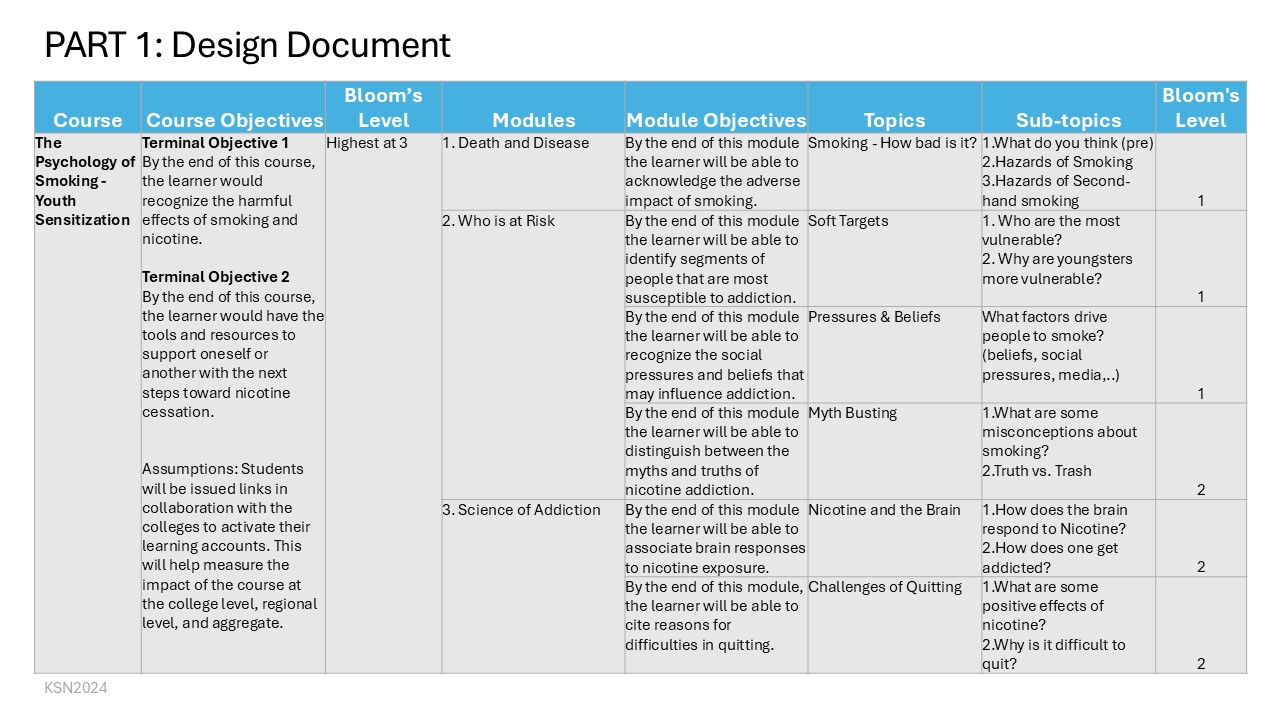
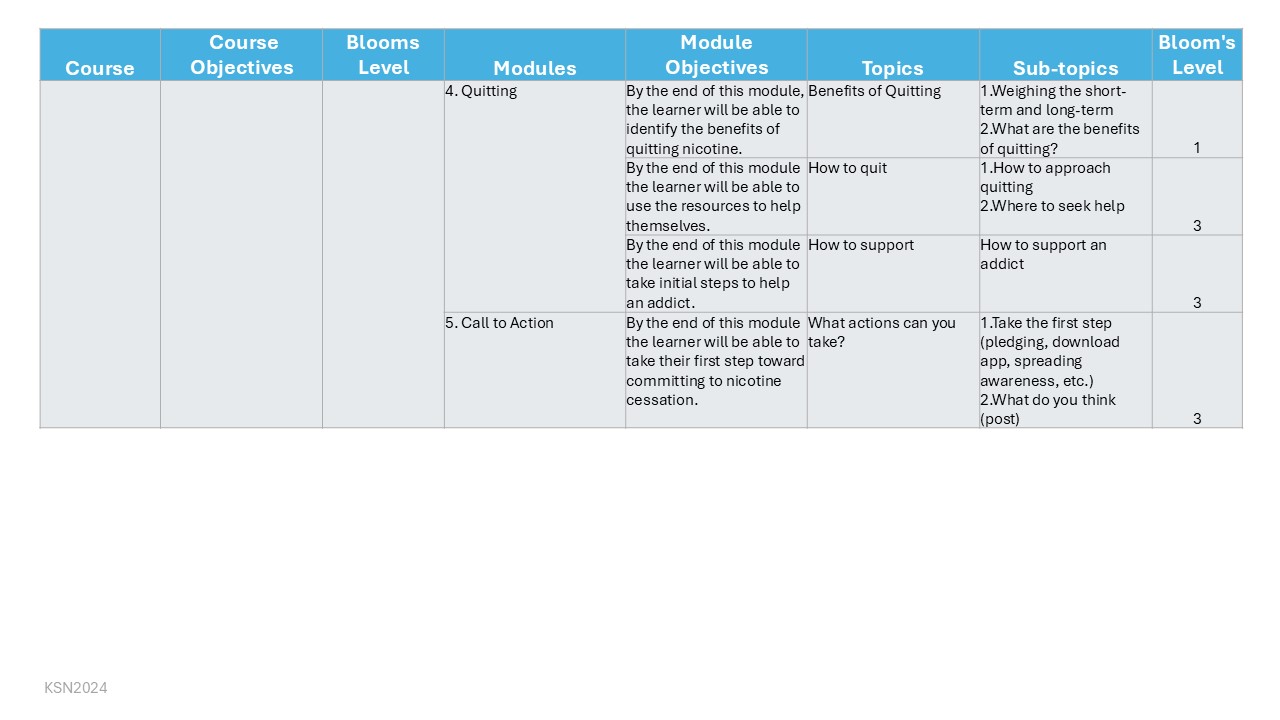
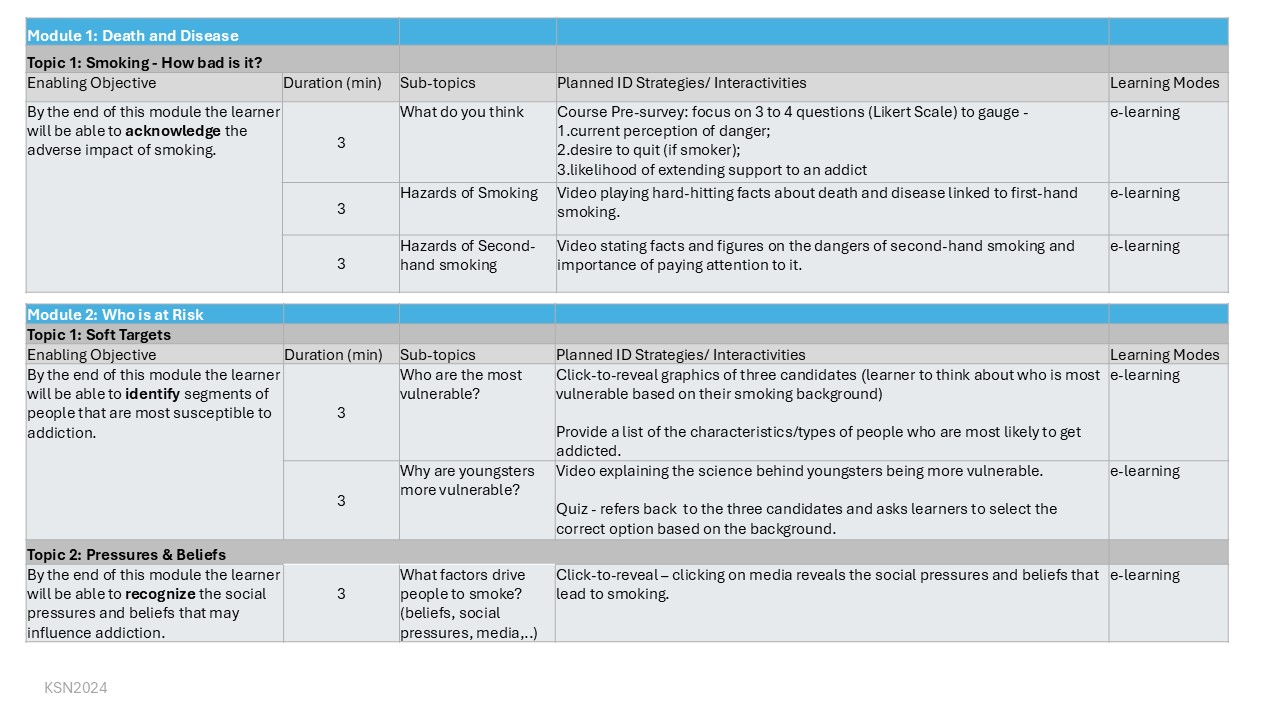
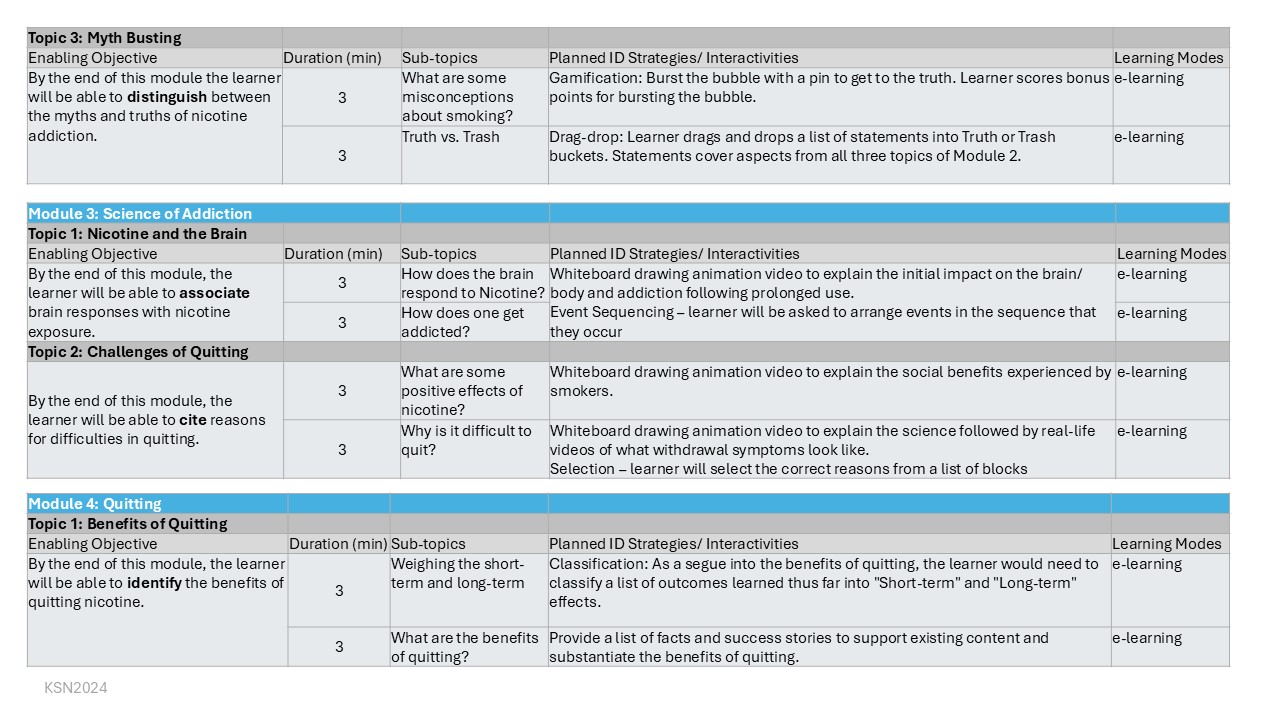
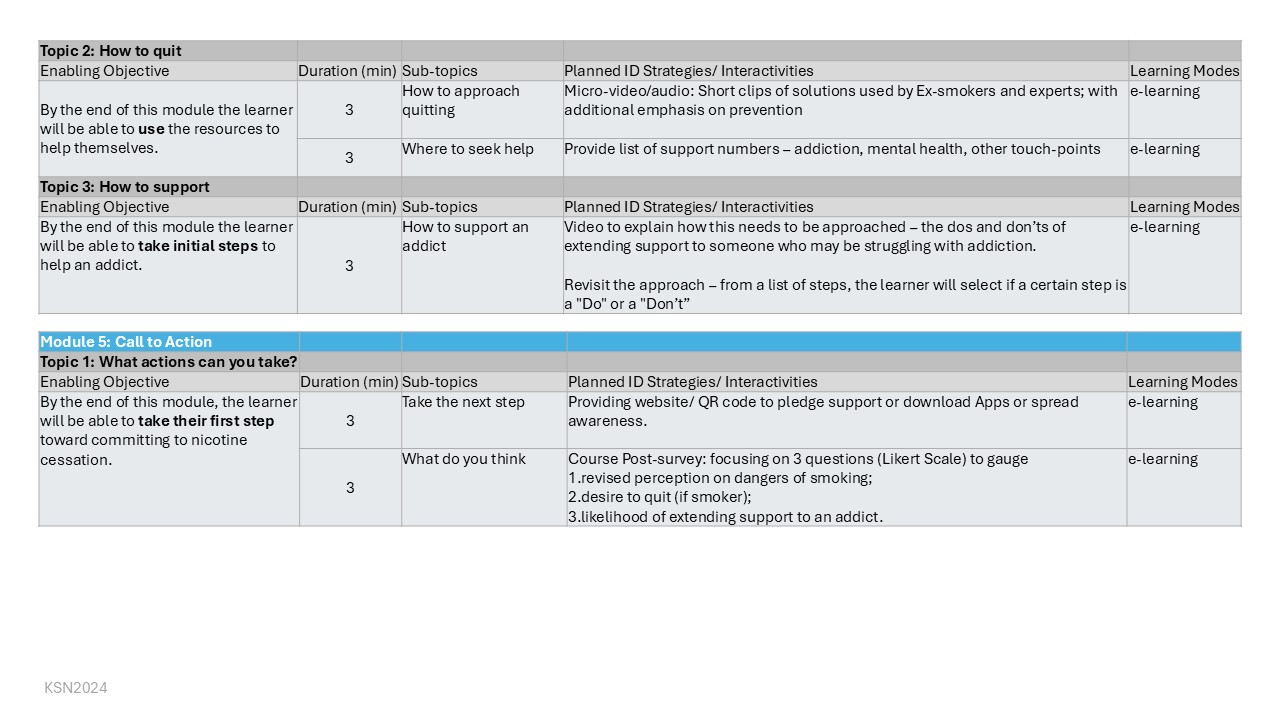
There was a lot to work through from finding common themes to grouping and building logical flows for the concept and information I intended to convey.
It involved identifying the Bloom’s Taxonomy levels to work with and clearly defining the overarching objective as well as the smaller objectives that needed to be met through the e-learning.
The slides below give a breakdown of the final framework for the e-learning.
| The Storyboarding Process
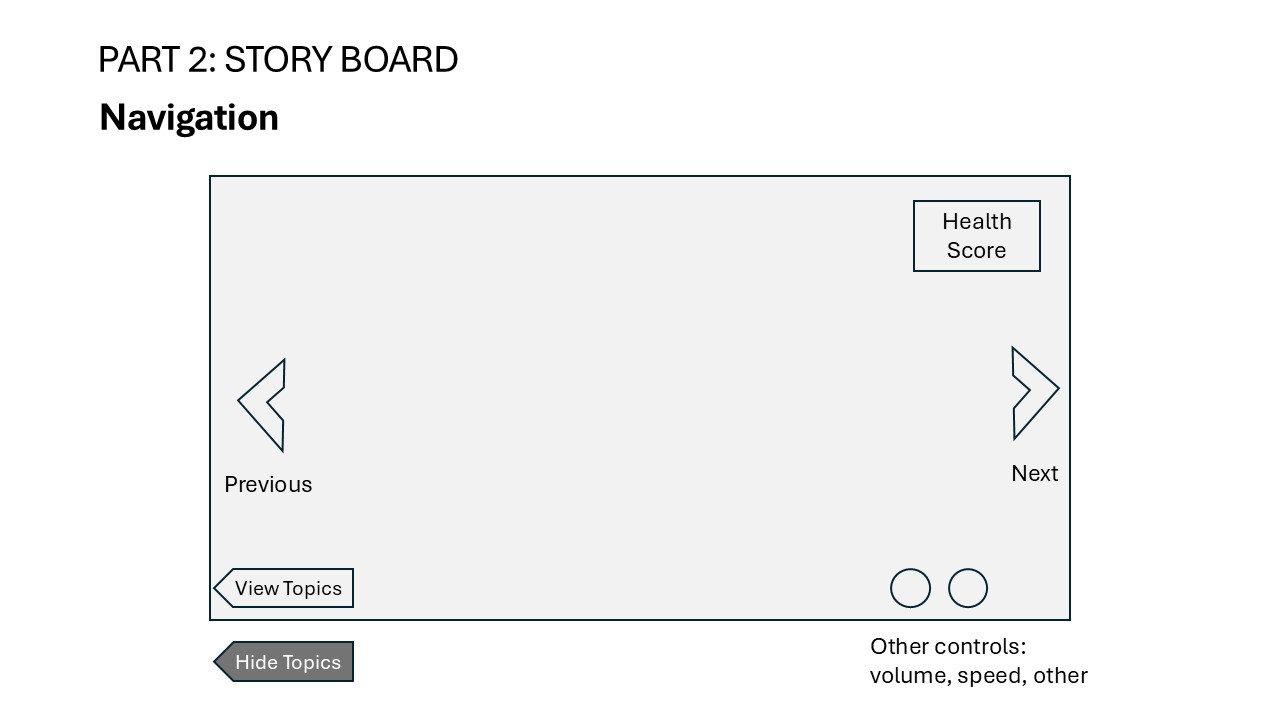
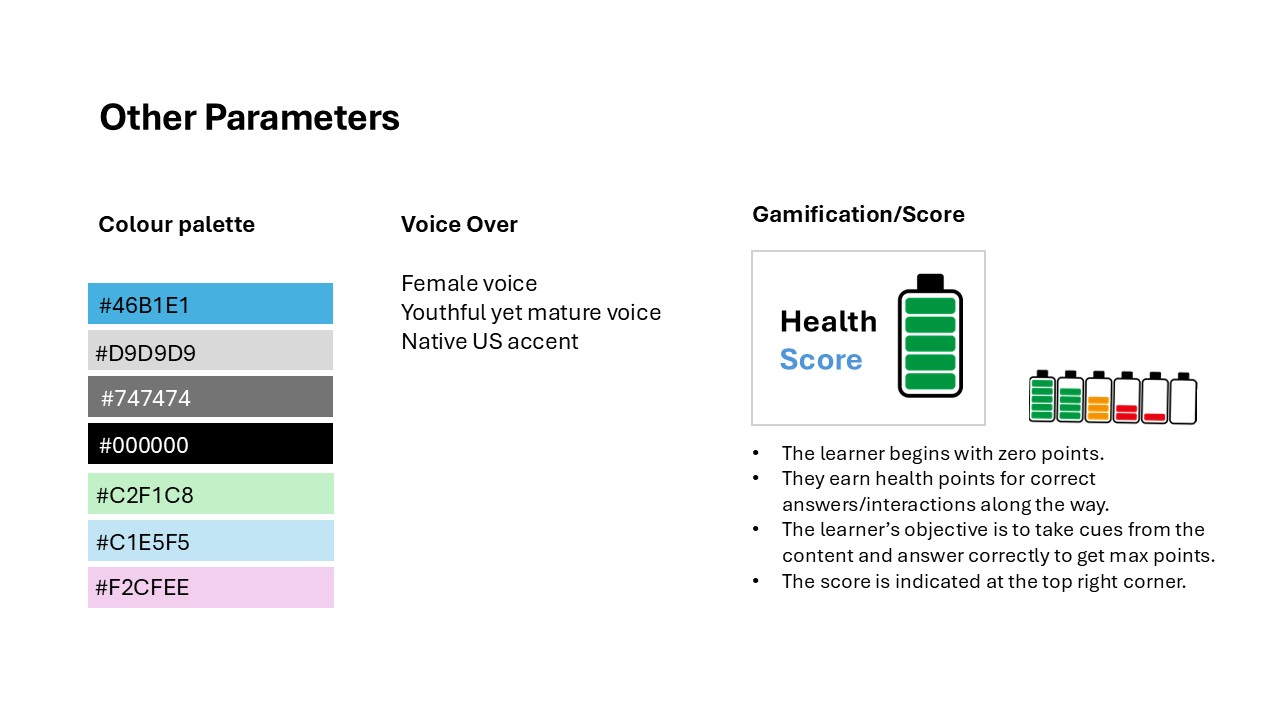
With the design in place, it was time to get the draft of the content and visuals ready. The process began with setting basic parameters such as selecting a colour palette, thinking about the navigation, exploring gamification elements and so on.
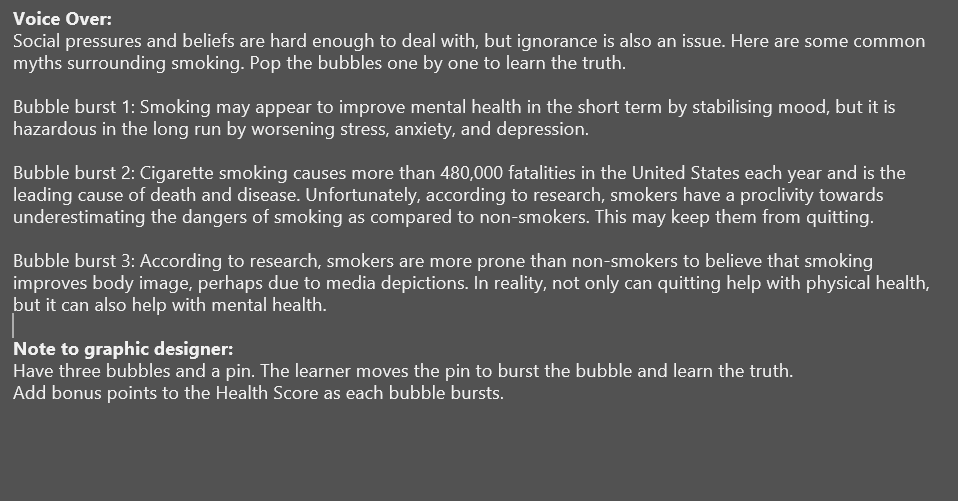
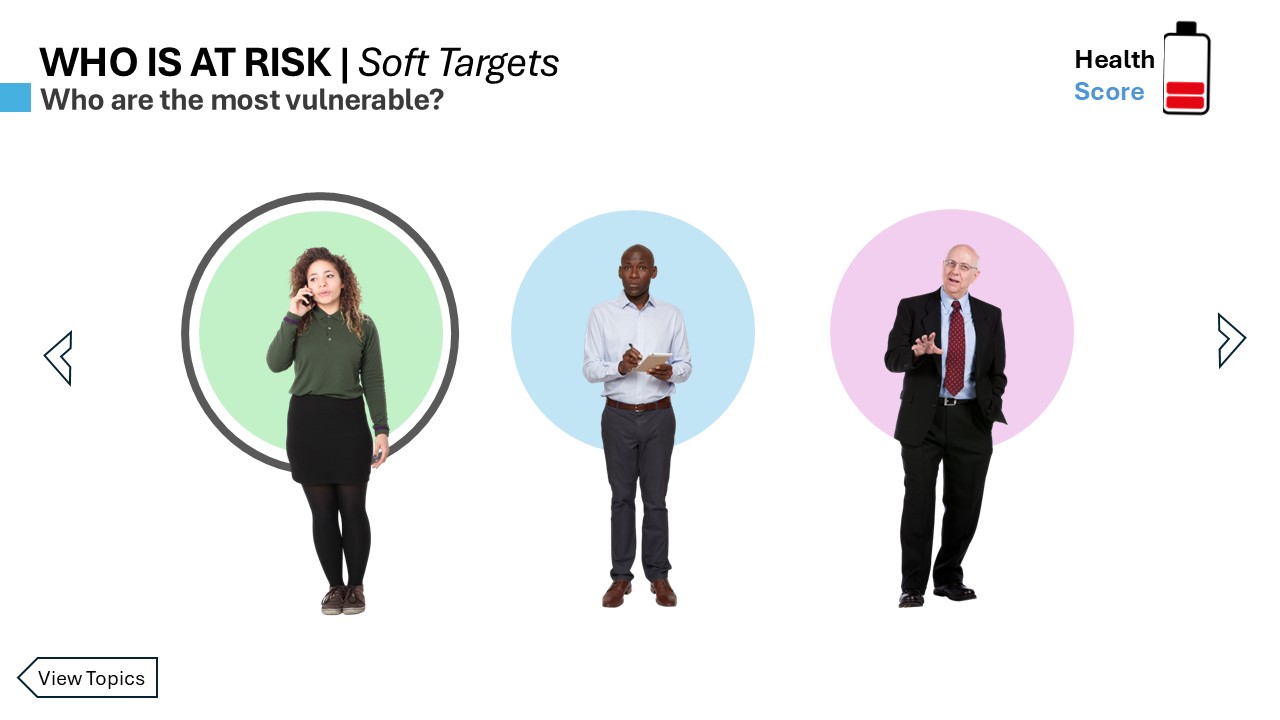
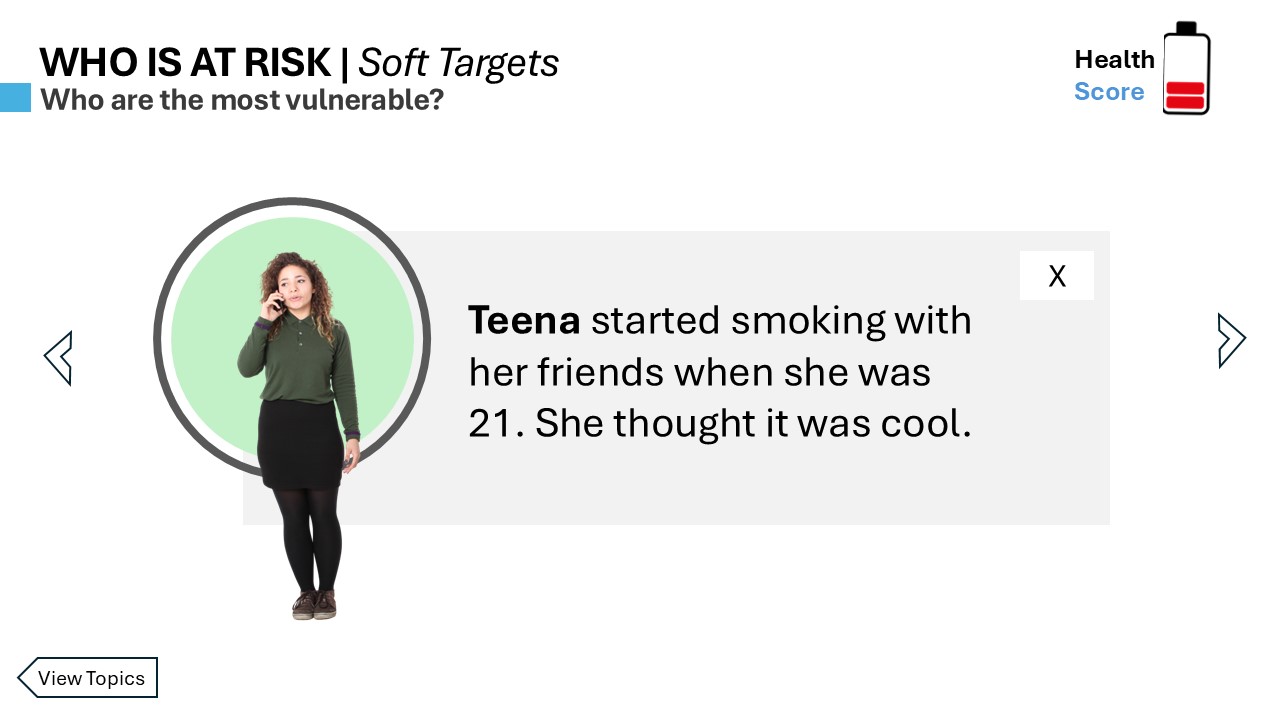
I focused on building a prototype on PowerPoint and developing voice-over scripts for each slide. I also incorporated instructions about the graphics and animation elements.
Once this was in place, it was time to build a module on Articulate Storyboard 360.
Setting the parameters
Building the script
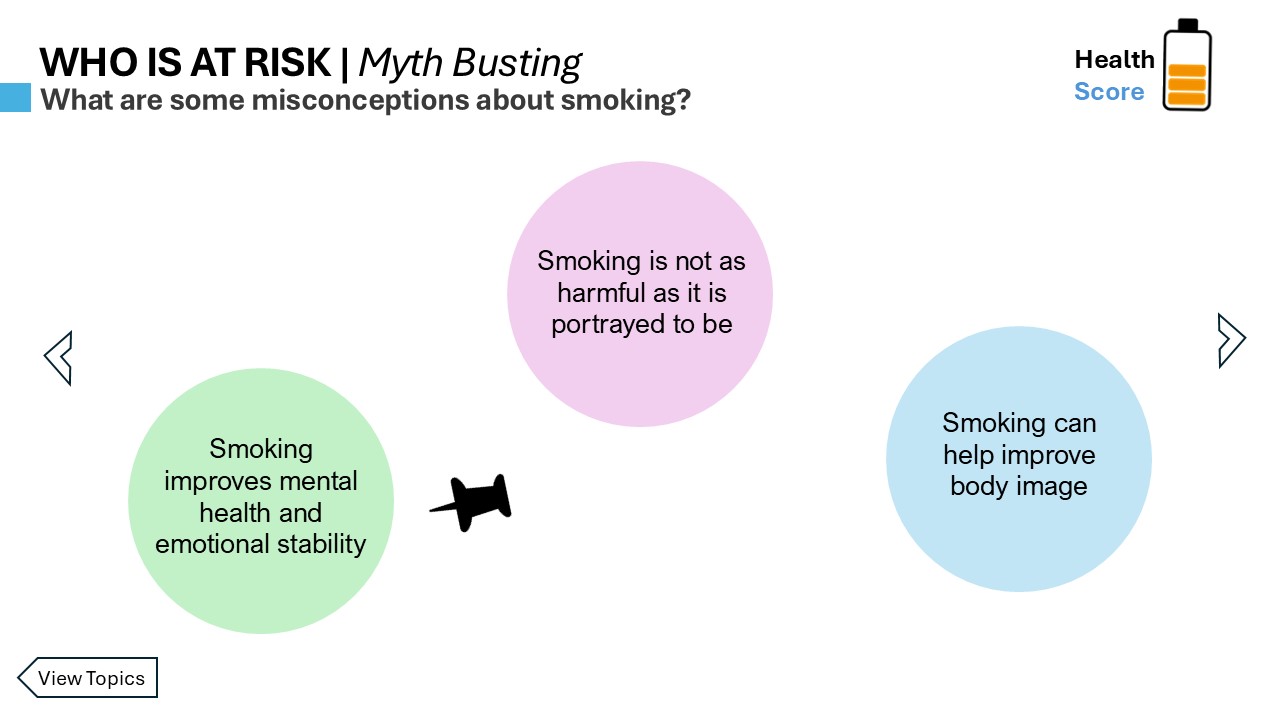
Building the prototype
| The Development: Building on Storyline 360
Using Storyline 360, I developed the second module titled “Who is at Risk”. This module covered three topics:
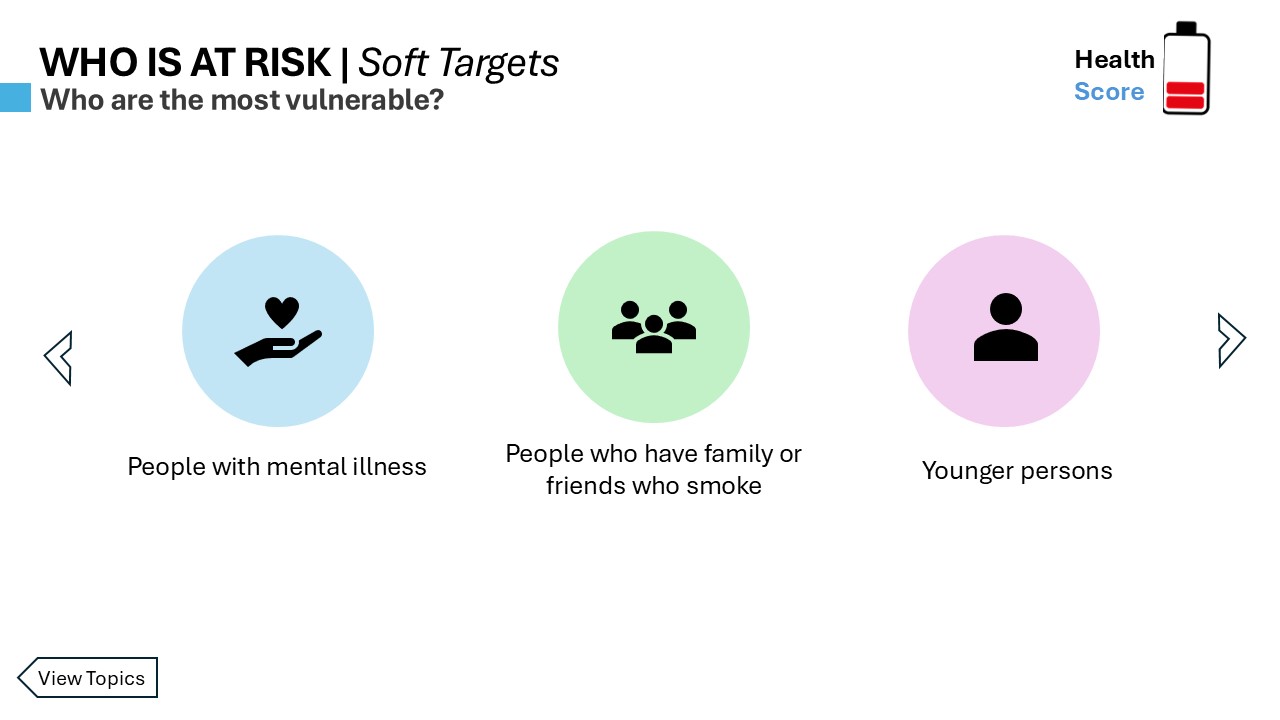
Topic 1: Soft Targets
This aimed to help students identify segments of people that are most susceptible to addiction.
Topic 2: Pressures & Beliefs
This intended to help students recognize the social pressures and beliefs that may influence addiction.
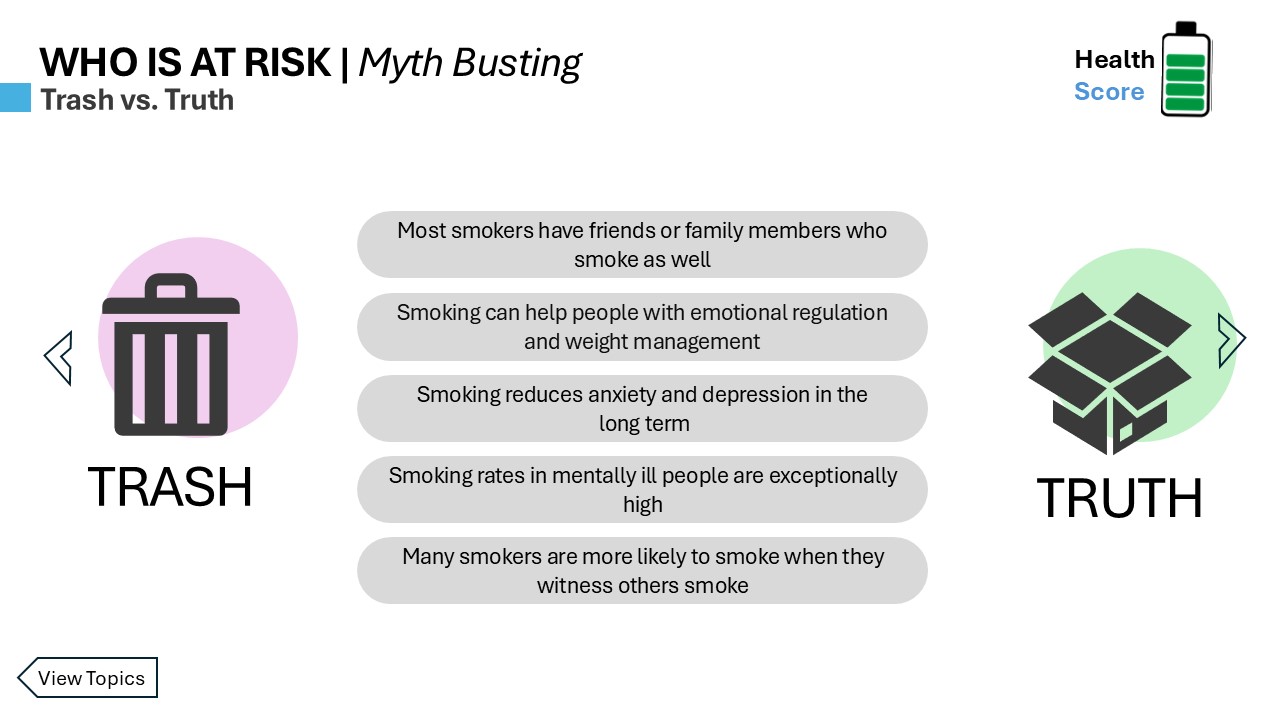
Topic 3: Myth Busting
This intended helped students distinguish between the myths and truths of nicotine addiction.
*Storyline module last updated on 25 Aug 2025